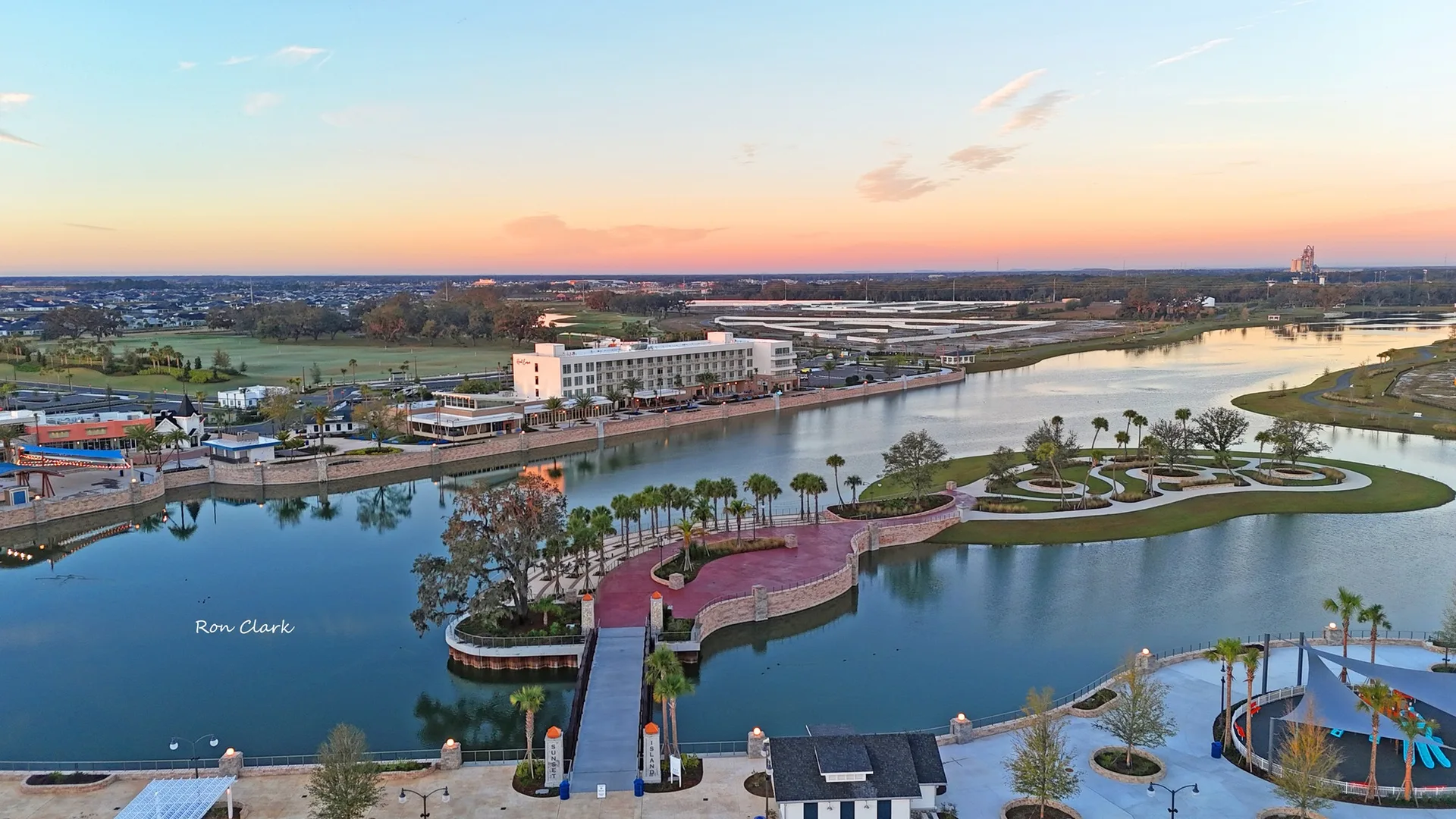
Aerial view of a waterfront community with a lake and walking paths at sunset

Retiring and investing ยท FAQ

Your questions, answered straight

These are the questions future residents and investors actually ask, from the 55+ rule and the cost of living to seasonal rentals and the buying process. The answers stay general and verified, because your specific move deserves specific advice from your own team.

Renting basics

The rental questions investors ask first

01

Can you rent out your home in The Villages?

Yes. Renting is an established practice here. Owners rent seasonally, usually furnished homes leased for a few months over the winter, and annually, typically 12-month leases. Each village's deed restrictions set the minimum lease terms allowed, commonly around 30 days, and some villages require longer. Nightly, short-term rentals are generally not permitted.

02

How do seasonal rentals work?

A furnished home is leased for a block of months, most often during the winter season when snowbirds arrive. The owner, or their property manager, handles cleaning and turnover between guests plus routine upkeep. Renters typically register with the village and receive temporary resident passes that grant access to the amenities.

03

How do annual rentals work?

An annual lease puts a resident in the home for 12 months. Homes are often rented unfurnished. Annual leases mean steadier occupancy, fewer turnovers, and a simpler rhythm: renewals, maintenance, and one primary tenant to serve.

04

Who can rent a home here?

At least one occupant must be 55 or older, per the community's rules under the federal Housing for Older Persons Act. Other occupants are generally 19 or older. This applies to renters as well as owners.

05

Do renters get access to the amenities?

Generally yes. Renters register with the village and typically receive temporary resident passes, which is how the community manages access to recreation centers, pools, and the rest. The process varies slightly by village.

Rules and costs

The structure behind the community

01

Is there an HOA in The Villages?

No traditional HOA. There are no HOA dues and no conventional HOA board. The community is deed-restricted, with village-level property owners' associations that enforce rules, and a monthly amenities fee of about $204 supports recreation centers, pools, and common areas.

02

What does the amenities fee cover?

Recreation centers, swimming pools, fitness facilities, tennis and pickleball courts, clubs and activities, entertainment at the town squares, and common-area upkeep. The fee can be adjusted over time and the exact amount varies by property.

03

What should out-of-state owners know?

Plan the management before you buy: a local property manager or a trusted vendor team for cleaning, lawn, repairs, and guest communication. Budget for vacancy between guests and for maintenance. Florida landlord-tenant law governs your leases, so written agreements and local knowledge matter.

04

What about taxes on a rental?

Rental income is taxable income. Depreciation can offset income while you own the property and can trigger depreciation recapture when you sell. There are no one-size numbers here. A CPA who knows Florida rental property is the right advisor.

Retiring here

The questions future residents ask

01

How much does it cost to live in The Villages?

There is no traditional HOA and no HOA dues. Residents pay a monthly amenities fee of about $204 that supports recreation centers, pools, clubs, entertainment at the town squares, and common areas. Property taxes, Florida property insurance, utilities, and upkeep add on top, and they vary by home, county, and year.

02

Which village is best for retirees?

The community keeps growing southward, and 'best' depends on you. Newer areas like the Village of Fenney and newer town squares like Brownwood and Eastport bring new homes and brand-new recreation, while the established villages sit close to the original town squares. Match the village to your lifestyle, your budget, and how much driving you want to do.

03

Do I need a car, or is a golf cart enough?

The Villages is designed around golf carts. A network of cart paths connects the town squares, recreation centers, grocery stores, pharmacies, and medical offices, and many residents run most of their daily errands by cart within the community. Most still keep a car for trips outside it.

04

Is there good healthcare nearby?

Yes. The Villages has a full hospital inside the community, UF Health The Villages Hospital, and the surrounding area includes emergency and specialty care. Healthcare is close enough that many residents reach it by golf cart.

05

Can I rent first to try the lifestyle before buying?

Yes, and many future residents do exactly that. A seasonal rental puts a furnished home in front of you for a few months, most often over the winter, and an annual lease gives you a full year to live the lifestyle before you buy. Renters register with the village and get access to the amenities while they are there.

06

What if I don't play golf?

Golf is a big part of life in The Villages, but it is not the only part. The town squares host nightly entertainment, and recreation centers, pools, pickleball and tennis courts, fitness classes, and clubs keep the social calendar full.

07

What do I do with my home up north when I move?

Two common paths: sell the home before you move, or keep it and rent it out. The choice depends on your finances, your plans to return, and the tax and property picture in both states, so it is a conversation for you, a real estate professional, and a CPA.

08

How does moving from another state work?

The process is the same as any Florida purchase, with a little more planning. Video tours and remote showings let you shop before you arrive, financing and taxes need to be set up for Florida, and the home up north needs a plan. A local agent who works with out-of-state buyers handles the details in English or Spanish.

Buying as an investor

How the purchase actually happens

01

How does the buying process work for an investor?

Get financing lined up first; investment loans differ from primary-residence loans in rates and down payments. Then narrow the type and location, work with a local agent who knows each village's rules, make an offer, complete due diligence on the home, the amenities fee, and the lease terms, and close.

02

Can international buyers invest?

Yes. Lili works with local, national, and international clients and is bilingual in English and Spanish. Financing, taxes, and title steps differ for international buyers, so plan for them with your advisors early.

03

Is The Villages really 55+?

Yes. It operates as a 55+ community under the federal Housing for Older Persons Act, and at least one permanent resident in each home must be 55 or older. Other occupants are generally 19 or older.

04

Do I have to live there to own a rental?

No. Investors buy and rent out homes in The Villages all the time. The occupancy rules apply to the people living in the home, not to the owner, which is why the seasonal and annual rental models work so well for out-of-state owners.

Have a question that is not on this list?

Lili answers every inquiry personally, in English or Spanish, whether you are moving from down the street or across an ocean.

Book a call