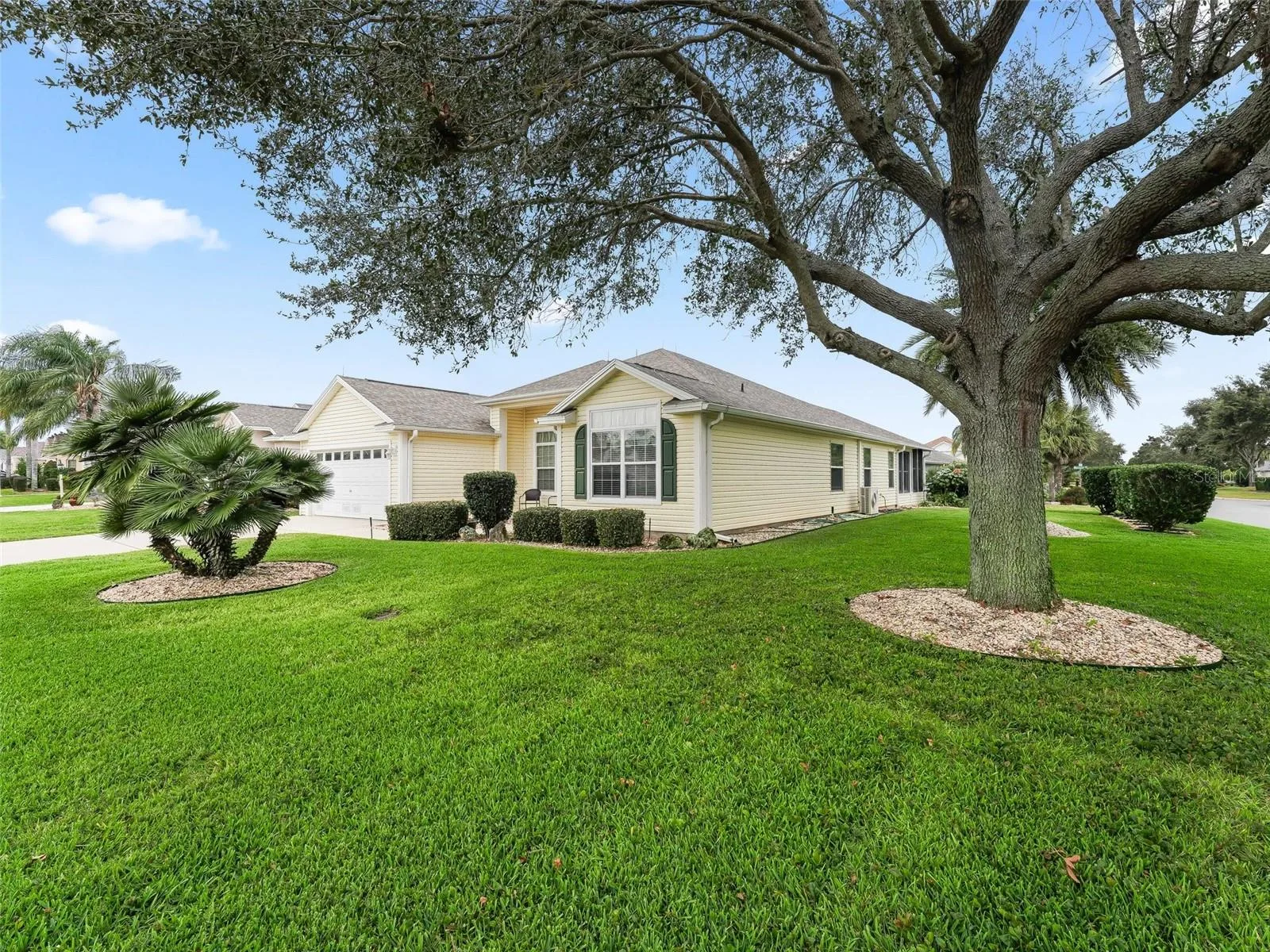
Costs of ownership · living here
What it costs to live in The Villages
There is no traditional HOA. Residents pay a monthly amenities fee of about $204, and property taxes, Florida insurance, and upkeep add on top. Whether you are moving in or buying a rental, here is the plain-language map.
The monthly amenities fee
$204
per month, about, per home
- Recreation centers and pools
- Fitness, tennis, and pickleball
- Clubs, activities, town square entertainment
- Common-area upkeep
No HOA dues
The Villages does not run like a typical HOA
There is no traditional homeowners association here: no HOA dues, no conventional HOA board. Instead, residents pay a monthly amenities fee, and the community is structured around development districts and deed restrictions.
The amenities fee of about $204 a month funds the recreation centers, pools, fitness facilities, courts, clubs, entertainment at the town squares, and upkeep of common areas. The fee attaches to the home and transfers when it sells, and the exact amount can vary slightly by property and over time.
For a retiree weighing the move, the monthly fee is the predictable part of the budget. Property taxes, insurance, and utilities vary with the home, the county, and the year, which is why the exact figures belong on a specific property, not in a guide.
Separately, community development district assessments can appear on the property tax bill and help pay for infrastructure like roads, water, and power. Review the fee and assessment picture for the specific home with your agent before you buy.
On top of the fee
The carrying costs that add up
No specific numbers here, because every home is different. These are the categories every investor should price before making an offer.
Property taxes
Taxes are set by the county and reassessed over time. A home you rent out is not your primary residence, so the Florida homestead exemption does not apply to it. County, village, and CDD charges can all show up on the tax bill.
Insurance
Florida property insurance is a significant line item: wind, flood in some zones, liability, and landlord coverage. The cost varies with the home, its age and construction, and your carrier, so a local agent is worth the call.
Maintenance and turnover
Appliances, air conditioning upkeep, lawn care, pest control, and cleaning between tenants are recurring costs on any rental. Older homes, and homes with more turnover, generally need more.
Taxes, briefly
The tax picture, in plain terms
Nobody can give you your numbers without your full situation. These are the contours every Villages investor should have on their radar.
- 1 Rental income is taxable income, on top of whatever other income you have.
- 2 Depreciation can offset income while you hold the property, and can trigger depreciation recapture when you sell.
- 3 Deductions, limits, and rules change, and your numbers are your numbers.
- 4 Bring the plan to a CPA who knows Florida rental property before you close.
Nothing on this site is tax, legal, or financial advice. Talk with a CPA or attorney who works with Florida rental property.
Worth repeating
A rental is a business, and it is taxed like one
Depreciation is why so many investors hold Florida rentals: it can offset income along the way. Just remember it can come back as depreciation recapture at the sale. Plan the exit with the same care as the purchase.
Before you buy
Three moves that protect the numbers
The cost structure is knowable. The discipline is: get financing set, check the paperwork, and keep a cushion.
Step 1
Line up financing first
Investment loans work differently from primary-residence loans: different rates, down payments, and underwriting. Get pre-approved so you can move when the right home appears.
Step 2
Do your due diligence
Inspect the home, review the amenities fee, and read the village's deed restrictions, including the lease terms they allow. Your agent and attorney can pull these before you commit.
Step 3
Keep a buffer
Budget for vacancy between tenants, repairs, and the quiet months. A cash cushion turns a good plan into a resilient one.
Want the real numbers for a specific home?
Lili can pull current market data and walk you through the fee, tax, and insurance picture for properties you are considering.